
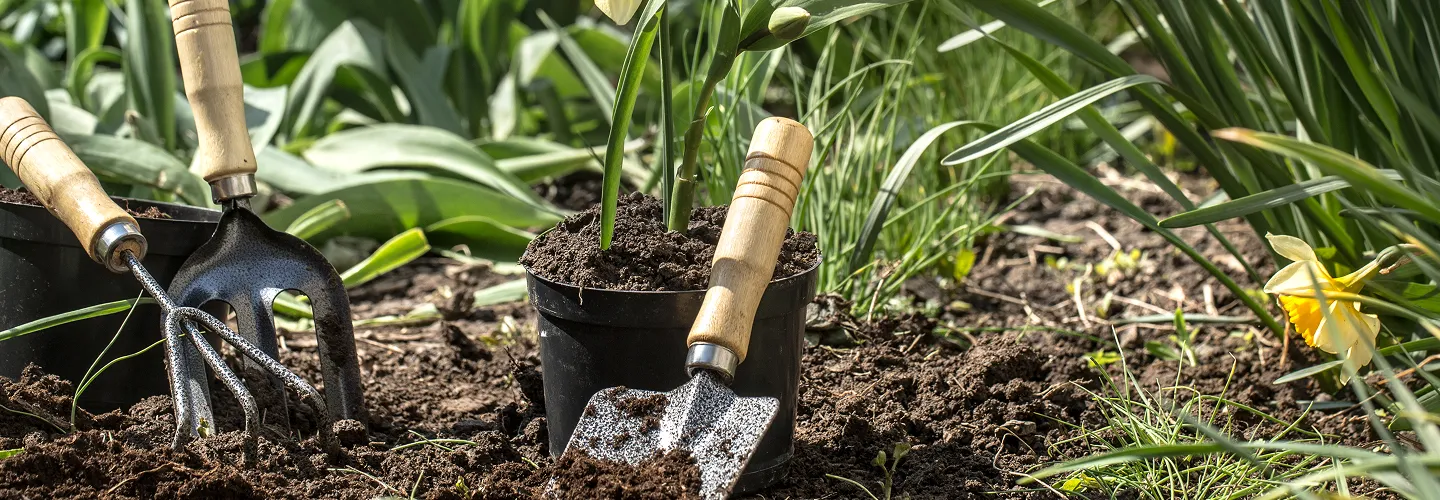
Devine Weed Control Services
Choose our expert weed control for a healthier, more beautiful lawn—our proven methods ensure long-lasting results and peace of mind, so you can enjoy your outdoor space worry-free.
Get a Free QuoteOur Devine Landscaping & Yard Care Services
When to Schedule Weed Control in Devine, Texas – Seasonal Guide
In Devine, Texas, timing your weed control treatments is crucial for maintaining a healthy, attractive landscape. The region’s warm climate, with mild winters and hot, humid summers, means that weeds can thrive nearly year-round if not managed properly. The optimal periods for weed control are typically early spring and late fall, when soil temperatures begin to rise or cool and weed seeds are most vulnerable. For neighborhoods near Colonial Parkway or close to Devine City Park, local soil types—often sandy loam with moderate drainage—can influence how quickly weeds establish after rainfall or irrigation.
Environmental factors such as the last frost date (usually late February), summer drought risk, and shaded areas under mature oaks or pecans in communities like Colonial Oaks all play a role in determining the best schedule for weed management. Monitoring local precipitation patterns and municipal guidelines, which can be found on resources like the Sudbury town website, ensures your approach is both effective and compliant.
Local Factors to Consider for Weed Control in Devine
- Tree density and shade coverage, especially in established neighborhoods
- Soil type and drainage, which affect weed germination and growth
- Seasonal precipitation and drought risk
- Proximity to landmarks like Devine City Park or Medina County Fairgrounds
- Municipal restrictions on herbicide use and application timing
- Terrain variations, such as sloped yards or low-lying areas prone to pooling
Benefits of Weed Control in Devine
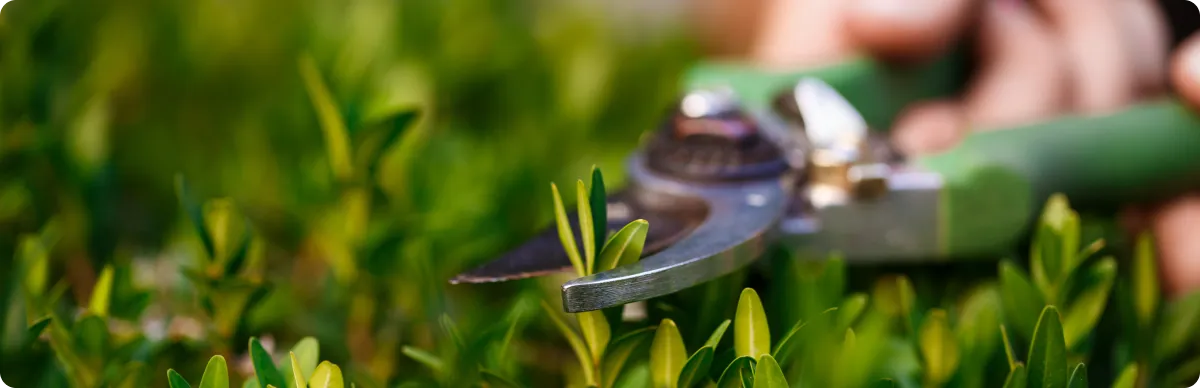
Enhanced Curb Appeal
Healthier Lawns and Gardens
Reduced Maintenance Time
Prevention of Invasive Species
Improved Soil Quality
Long-Term Cost Savings
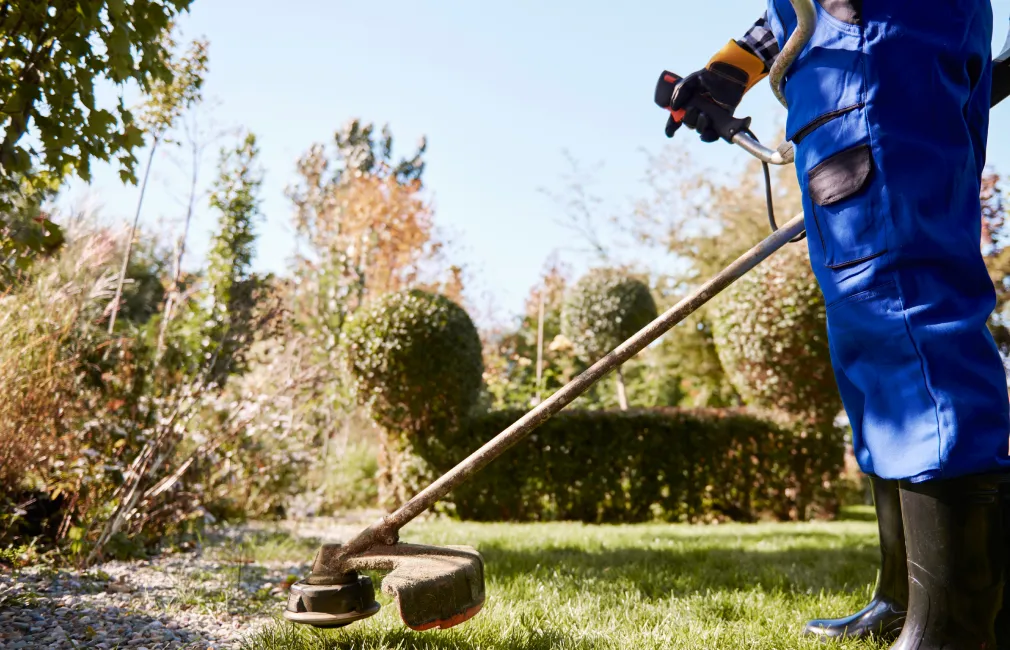
Devine Weed Control Types

Pre-Emergent Weed Control
-
Post-Emergent Weed Control
-
Organic Weed Management
-
Selective Herbicide Application
-
Manual Weed Removal
-
Mulching for Weed Suppression
-
Landscape Fabric Installation
Our Weed Control Process
Site Evaluation
Weed Identification
Treatment Application
Follow-Up Inspection
Why Choose Devine Landscape Services
-
Devine Homeowners Trust Us
-
Expert Lawn Maintenance
-
Reliable Scheduling
-
Competitive Pricing
-
Professional Team
-
Satisfaction Guarantee
-
Personalized Service
Managing Weed Control in Devine’s Expansive Clay and Sandy Loam Soils
Weed control in Devine, TX requires careful consideration of the city’s predominant soil types, which include Houston Black clay and Sunev sandy loam, as identified by the USDA Web Soil Survey. These soils are characterized by moderate to poor drainage and a pH range of 7.0-8.0, which can favor the growth of invasive weed species. Effective management involves:
- Conducting soil tests (available through Texas A&M AgriLife Extension; typical cost: $15-25)
- Applying pre-emergent herbicides in late February to early March, before soil temperatures exceed 55°F
- Incorporating 2-3 inches of compost to improve soil structure and suppress weed germination
- Maintaining a 2-3 inch mulch layer in planting beds
Coordination with the city’s code enforcement ensures compliance with property maintenance standards.
City of Devine Code Compliance
303 S. Teel Drive, Devine, TX 78016
Phone: (830) 663-2804
Official Website: City of Devine Code Compliance
Seasonal Timing and Weather Considerations for Weed Control in Devine
Devine is located in USDA Hardiness Zone 8b, with average last frost dates in early March and first frost in late November. The local National Weather Service Austin/San Antonio Office provides up-to-date forecasts critical for scheduling weed control activities. Optimal timing includes:
- Pre-emergent herbicide: Apply February 15 - March 10 (soil temp 50-55°F)
- Post-emergent treatments: April through June, when weeds are actively growing
- Mechanical removal: After significant rainfall, when soil is moist but not saturated
- Avoid chemical applications during periods of drought or high winds (common May-July)
Monitoring weather patterns reduces the risk of herbicide drift and runoff into local waterways, supporting compliance with Clean Water Act requirements.
Municipal Ordinances and Equipment Operation Standards for Devine Weed Control
Devine enforces specific ordinances regarding property maintenance and equipment operation for weed control. According to city code, all properties must maintain grass and weeds below 12 inches in height. Equipment operation is permitted during the following hours:
- Monday-Friday: 7:00 AM - 7:00 PM
- Saturday: 8:00 AM - 6:00 PM
- Sunday and holidays: Prohibited
Operators must use commercial-grade equipment with functioning mufflers, and noise levels should not exceed 85 decibels at property lines. Disposal of weed debris is managed through the city’s weekly curbside collection (Thursdays, April-November), requiring biodegradable bags or 32-gallon containers. Violations may result in fines or abatement fees.
City of Devine Public Works
303 S. Teel Drive, Devine, TX 78016
Phone: (830) 663-2804
Official Website: City of Devine Public Works
Environmental Compliance: Protecting Devine’s Waterways and Wetlands During Weed Control
Weed control activities in Devine must comply with state and federal environmental regulations to protect local water bodies such as Chacon Creek and city wetlands. The Texas Commission on Environmental Quality (TCEQ) oversees MS4 stormwater permits, which prohibit the discharge of yard waste, herbicides, or soil into storm drains. Key compliance steps include:
- Maintaining a 25-foot buffer from wetlands and streams
- Prohibiting herbicide application within 50 feet of water bodies
- Preventing clippings and debris from entering storm drains
- Using only EPA-registered products for aquatic weed control
For further guidance, consult the EPA Region 6 office and the Texas Water Code.
What Neighborhoods Do We Serve Throughout Devine, TX?
- Colonial Oaks: Features mature trees and dense clay soils, requiring careful weed management to prevent root competition and drainage issues.
- East Hondo Avenue Corridor: Commercial and mixed-use properties with compacted soils and high foot traffic, necessitating frequent mechanical weed removal and compliance with city visibility ordinances.
- Northside Estates: Newer developments with sandy loam soils and moderate slopes, where erosion control and pre-emergent treatments are prioritized.
- Downtown Devine: Historic district with narrow lots and older infrastructure, presenting challenges for equipment access and debris containment.
- Devine City Park Area: Proximity to recreational spaces and wetlands requires strict adherence to buffer zones and use of low-toxicity herbicides.
- South Teel Drive Residential: Larger lots with mixed soil types and occasional flooding, demanding integrated weed management and stormwater compliance.
- West Devine: Transitional area with both residential and agricultural parcels, where weed control must address both turf and invasive pasture species.